How to translate a podcast video into other languages
Translate a two-host podcast video with voice cloning and multi-language subtitles. And why lip sync should stay off when several people are in frame.
Practical tutorials and workflows for creating, editing, and translating videos.
Translate a two-host podcast video with voice cloning and multi-language subtitles. And why lip sync should stay off when several people are in frame.
Upload, pick Arabic, check the subtitles and brand names, export. Here’s the full walkthrough of translating a video to Arabic in Vibbit.

The history of video creation tools is essentially a history of reshaping the relationship between people and machines.

In the rush to take short drama overseas, most teams die in one of two places: validating the idea too slowly, so the budget is gone by the time the direction turns out wrong; or failing to keep up, so a first series that performed cannot be scaled.

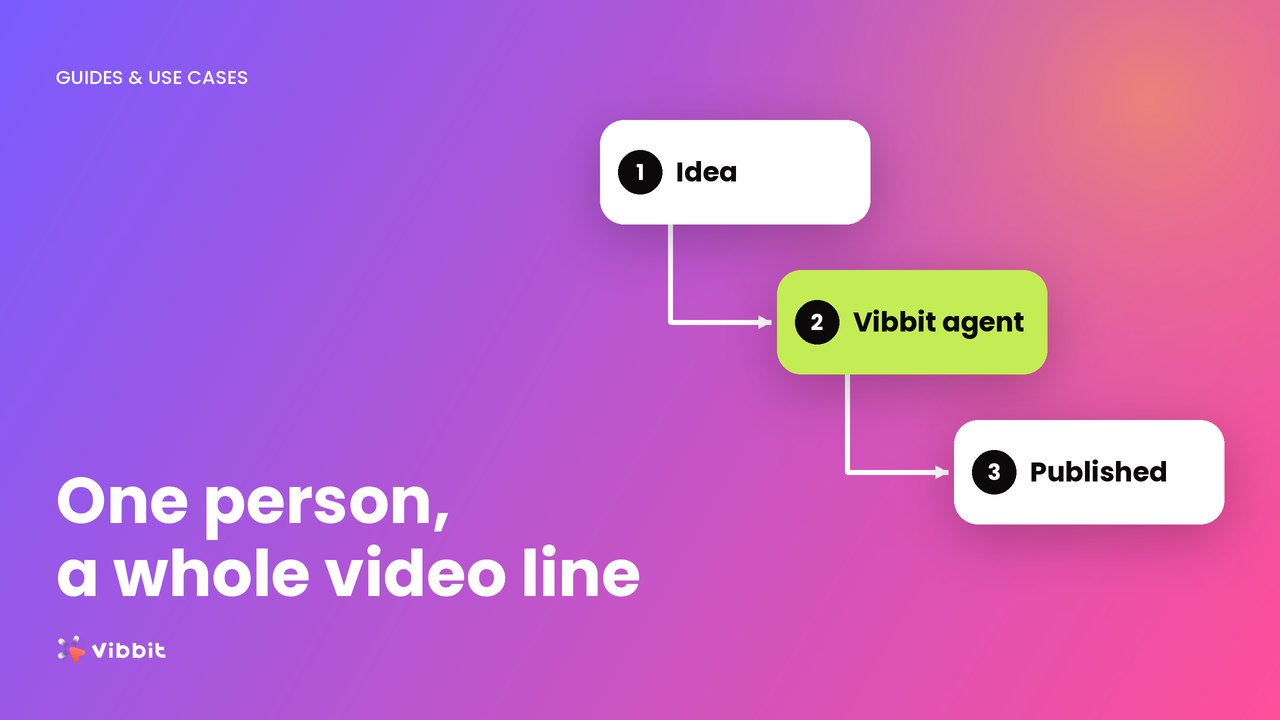
Making video alone used to be a phrase soaked in compromise: one person meant slow posting, rough quality, narrow content.
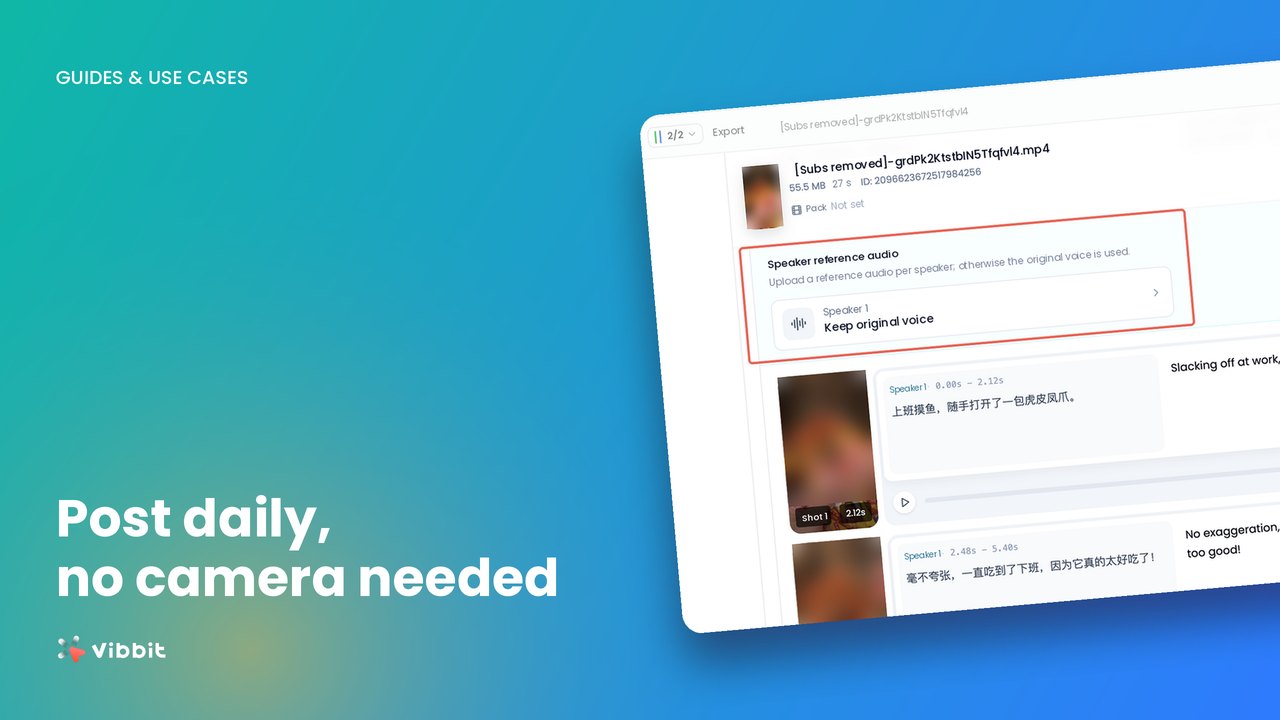
Talking-head video is one of the lowest-barrier, highest-demand categories in content creation, but being on camera stops a great many people who have something to say and real expertise behind it and simply do not want to show their face.

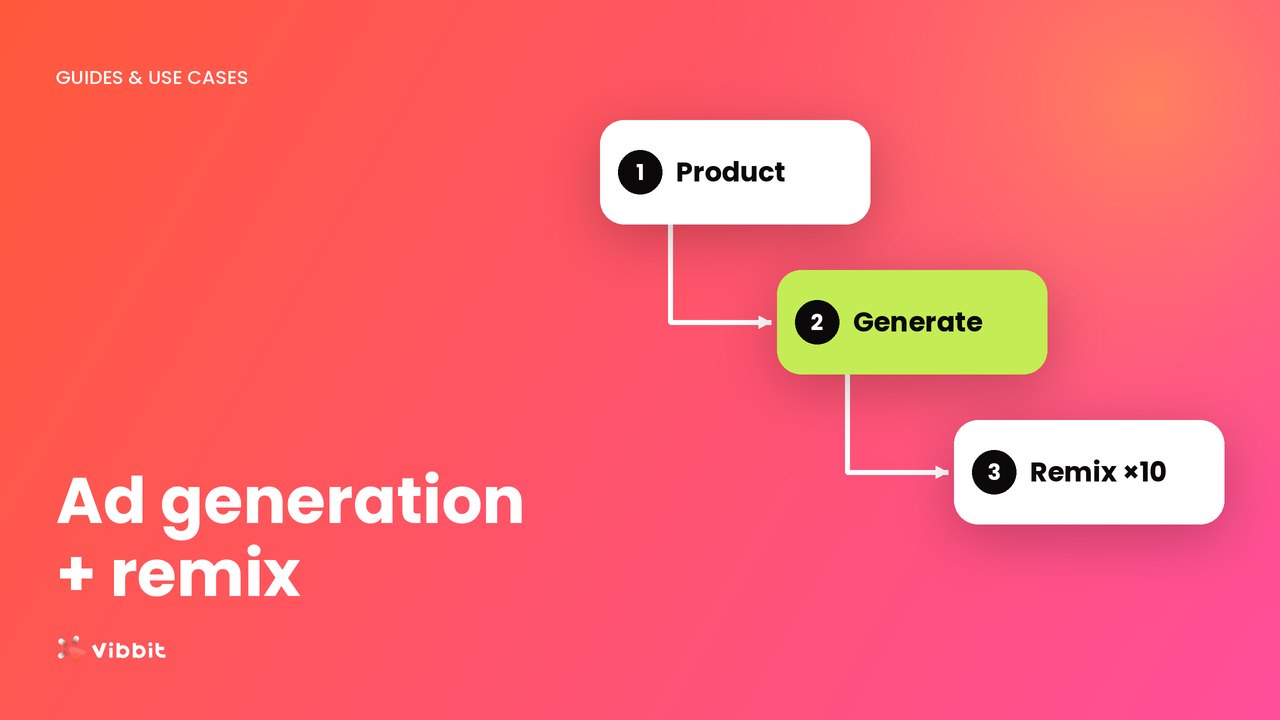
There is a brutal truth about e-commerce advertising: creative burns out far faster than it can be produced.

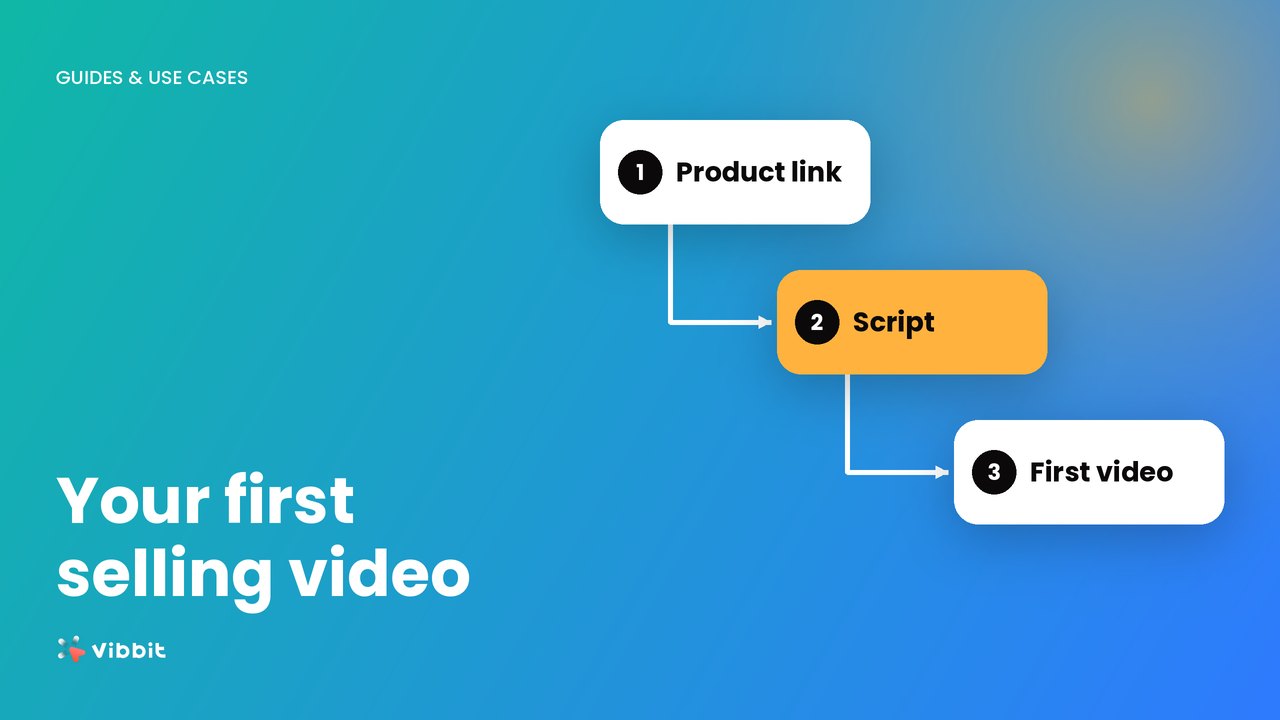
People assume the barrier to selling video is knowing how to shoot and having a good product.
Taking short drama overseas is one of the hottest openings in content export right now, and also the track most prone to starting strong and fading.
Making video alone used to mean compromise: post less often, accept worse pictures, or narrow the content down.

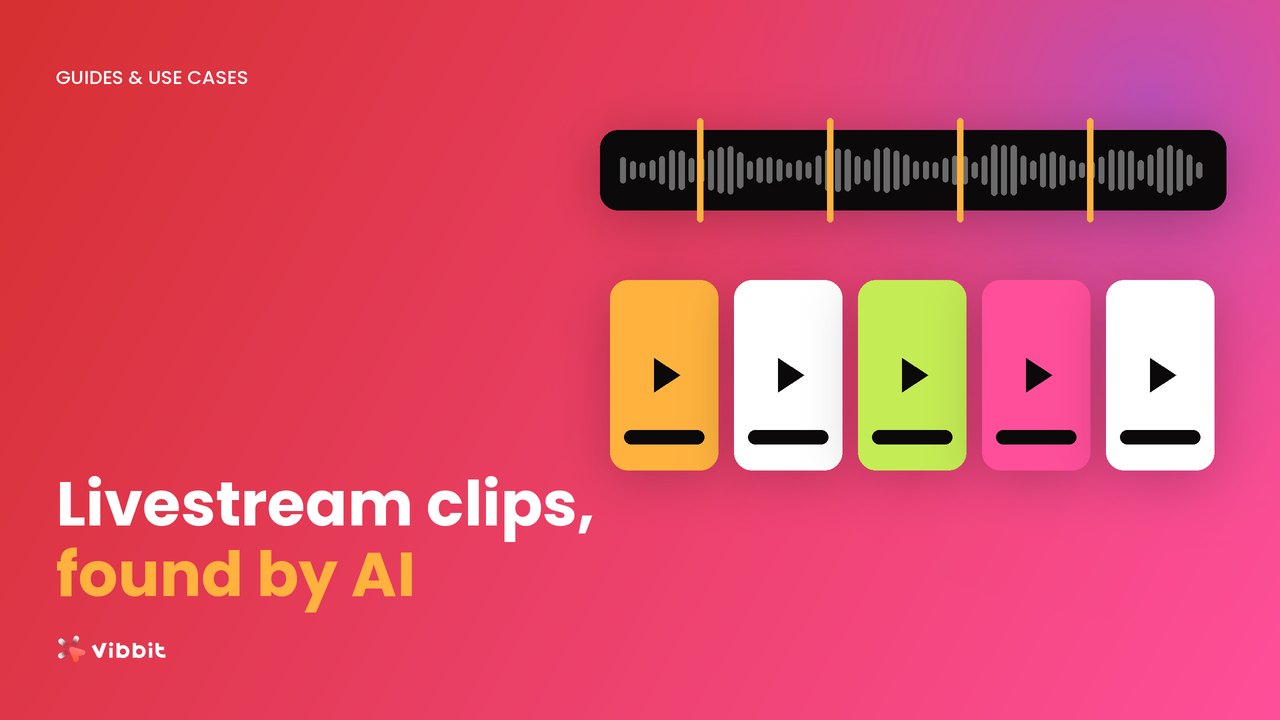
Livestream clipping is one of the highest-return content formats in the TikTok ecosystem: a two-hour stream usually hides a dozen or more short videos capable of taking off on their own.
Plenty of people want to make talking-head video and get stuck in three places: they will not go on camera, they cannot write a script, and they do not want to learn editing.

Once a short drama goes live, the real fight for traffic has only just begun.
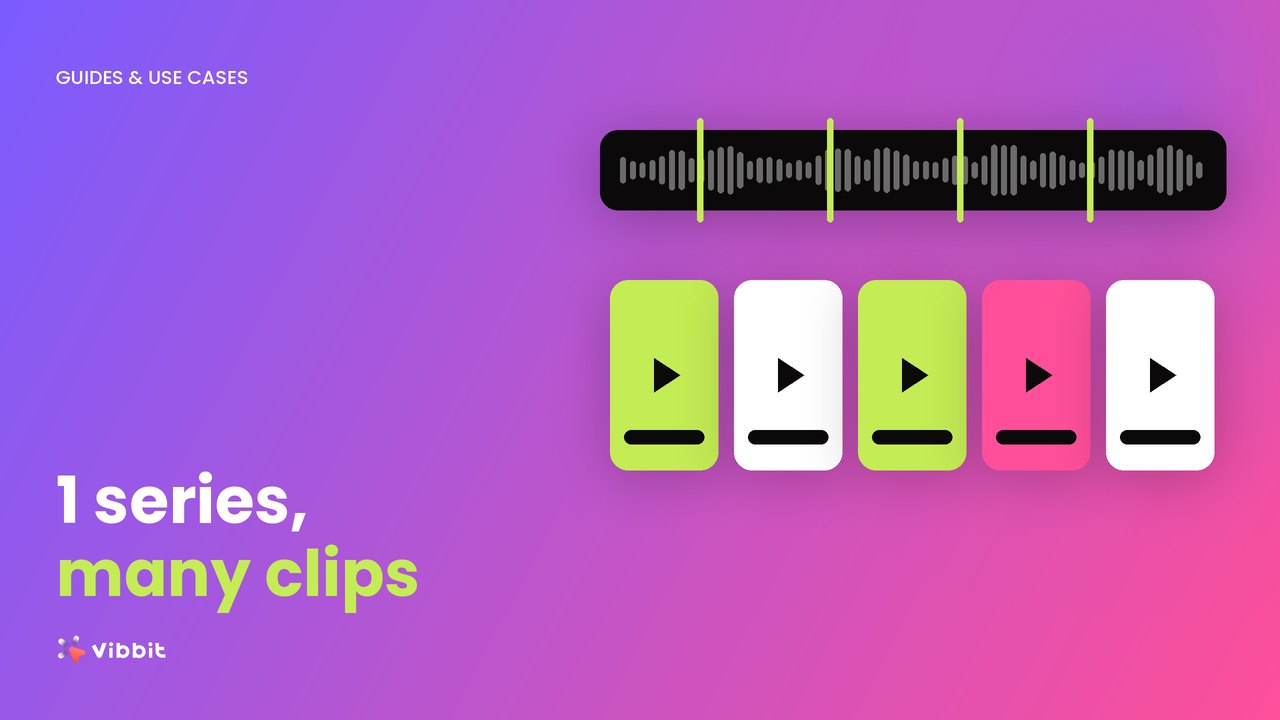
A lot of people make the same mistake with long video: they think clipping means slicing an hour of content into ten random segments, adding captions and posting.

Video creation is usually thought of as a long chain: write the script, find the footage, edit, record voiceover, make captions, grade the picture, build a cover, export versions, distribute to different platforms.

Production efficiency for AI short drama is being redefined.

The short drama industry has reached the stage where throughput decides the winner.

Short drama production is moving towards industrialisation, and a single production can generate hundreds of gigabytes of material a day.

The biggest difference between licensed IP merchandise video and ordinary selling video is that it carries three constraints at once.

A livestream easily runs four or five hours.

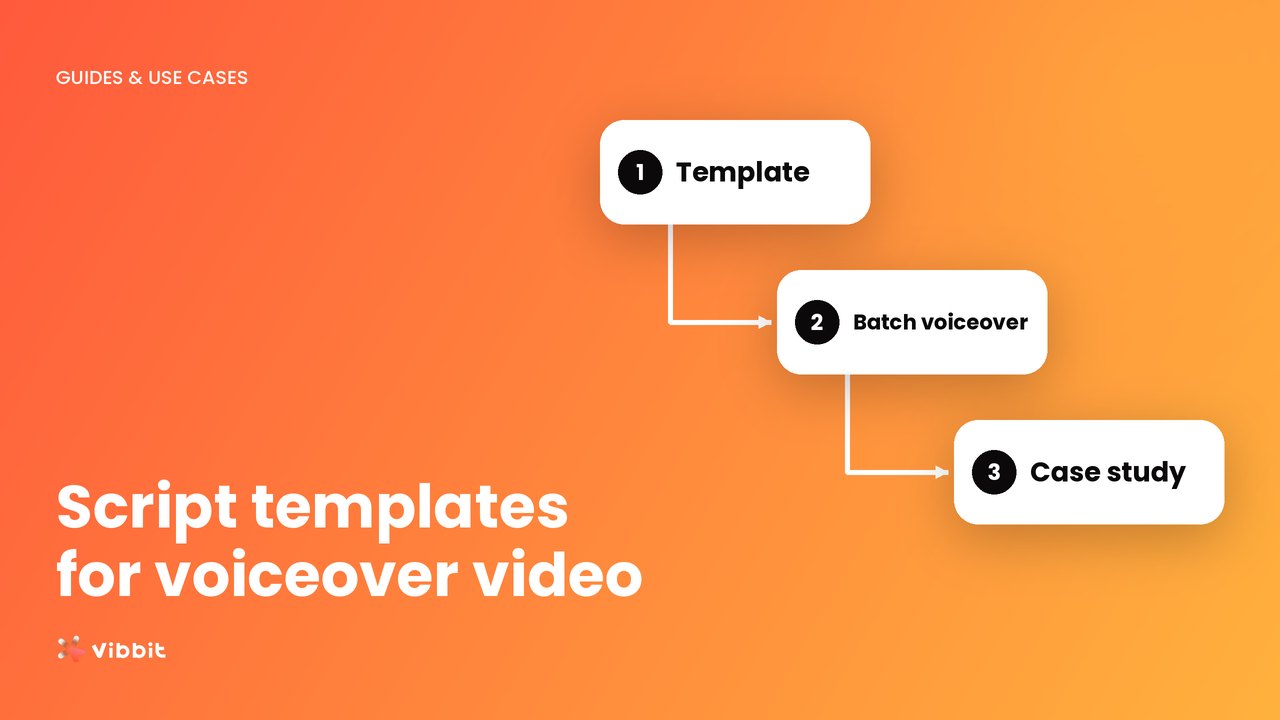
Voiceover video is the bread and butter of e-commerce content.

Content production for virtual IP and anime IP is moving from the workshop to the industrial line.

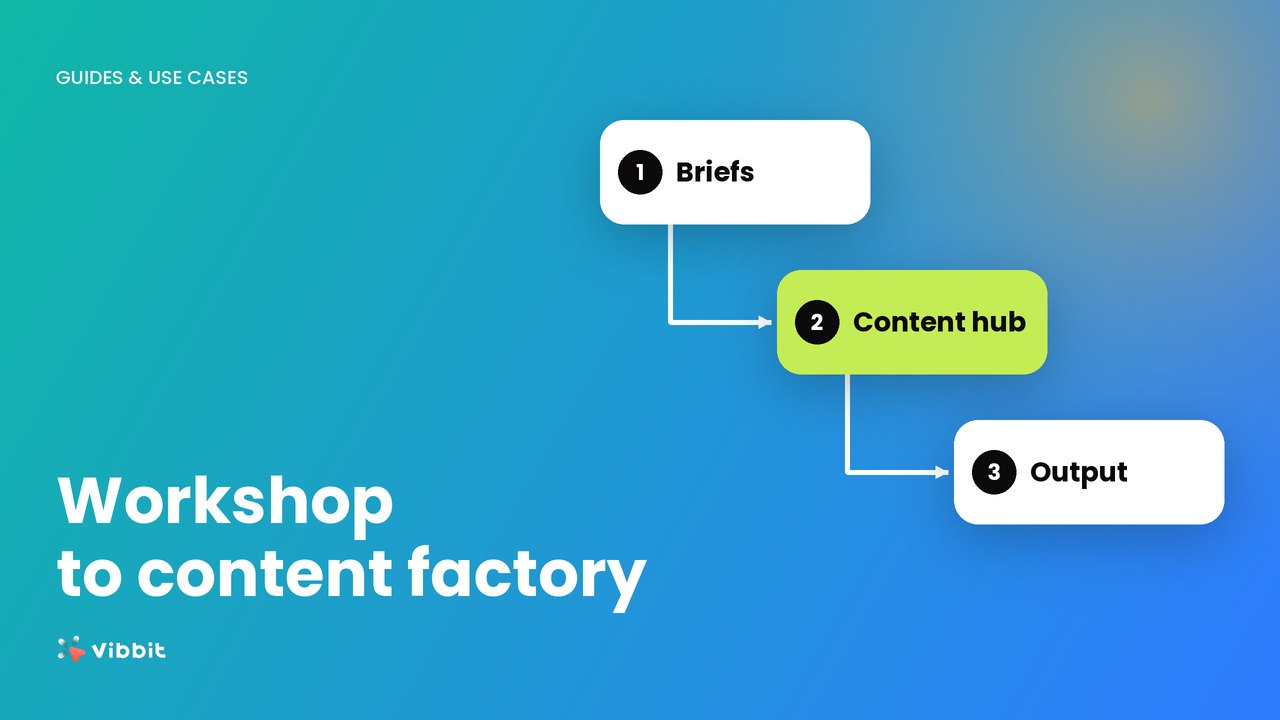
What an e-commerce content team faces every day is not "should we make video" but "how many, how fast, and for how many channels."

The short drama industry has entered industrial production.