Hyper-realistic cinematic conversion prompt for nano-banana-pro
Others
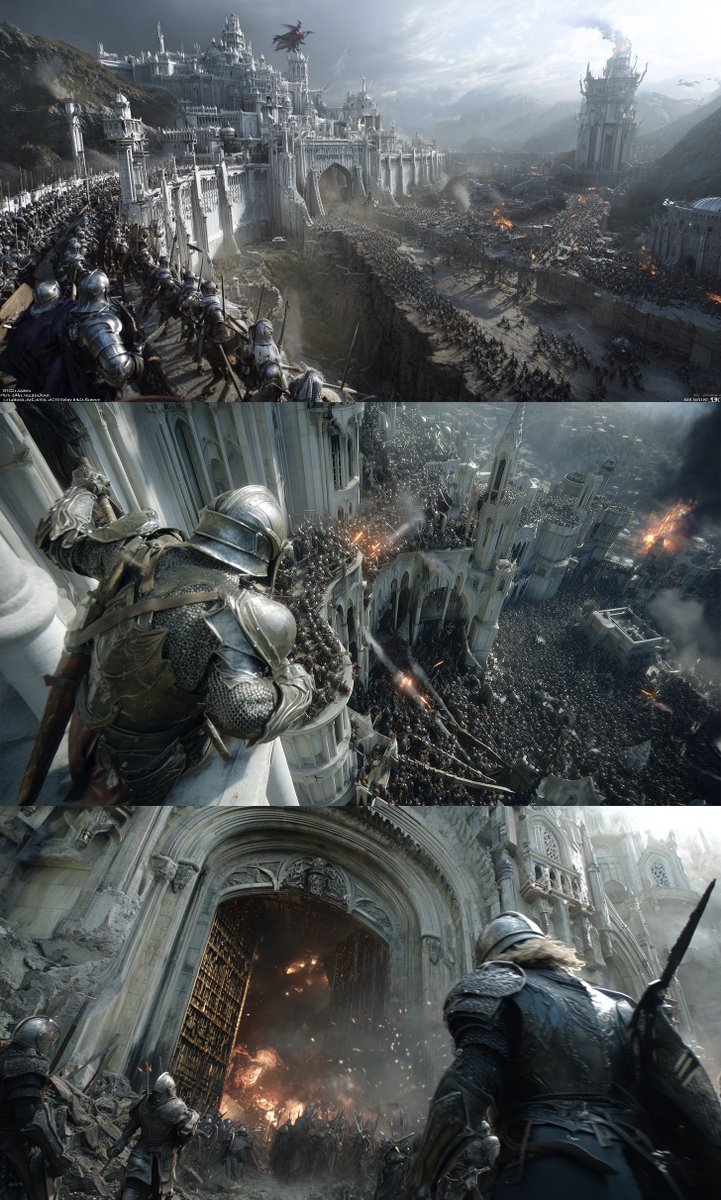
This is a detailed image generation prompt specifically designed for nano-banana-pro to convert existing reference images (like MJ generations) into ultra-realistic, live-action cinematic stills. It f
Prompt
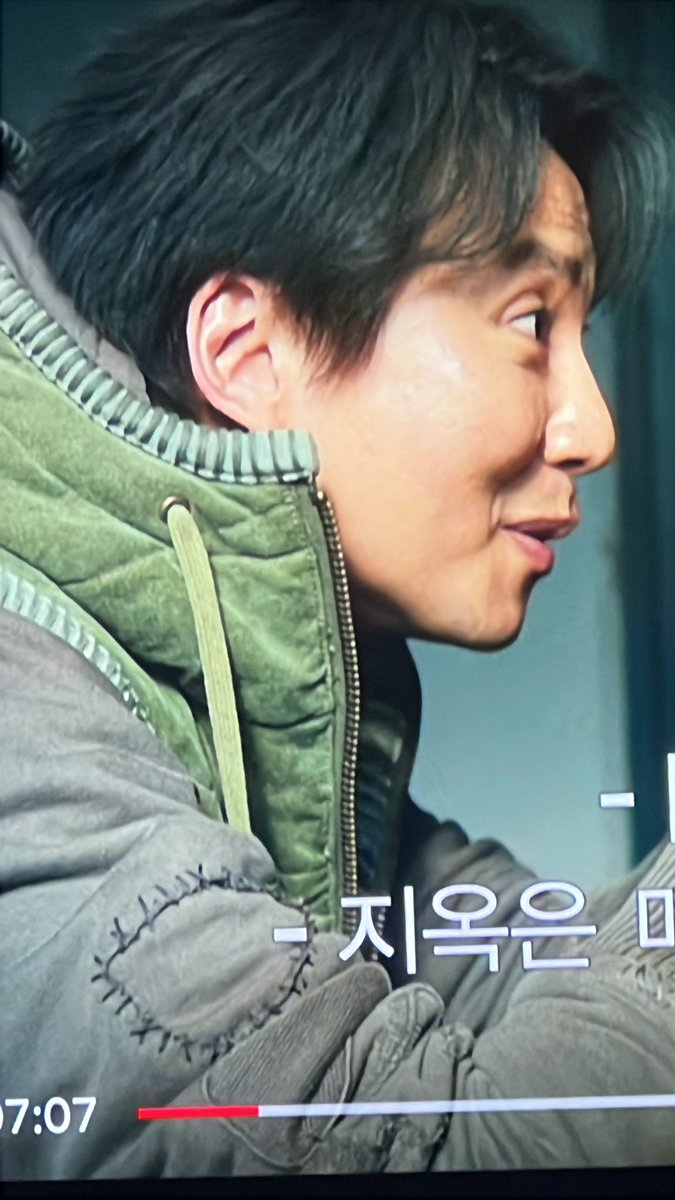
Core Requirement: Convert all elements in the reference image—including characters, scenes, props, and environment—into ultra-realistic, live-action settings, resembling actual on-set movie stills.
Character Conversion: Strictly retain the original character's hairstyle, clothing, expression, facial features, body movements, and overall temperament, converting them into a real actor's image.
Scene Conversion:
• Restore the comic/illustration scene to a real, physically shootable space
• All props, furniture, and architecture must be real set construction or real location shooting
• Realistic material texture: fabric folds, wood grain texture, metal reflections, wall texture
• Rich environmental details: dust, signs of wear, everyday life details
• Spatial perspective and light/shadow must conform to physical laws
Photography Style: Cinematic live-action photography
• Deep depth of field composition, with everything clear from foreground to background
• Film texture, soft grain, and rich color layering
• Dramatic light and shadow contrast: warm tungsten working lights vs. cool natural twilight
• Subject prominence while retaining environmental narrative
• Scene art and photography comparable to 'Blade Runner' or 'The Grand Budapest Hotel'
Technical Specifications:
• Film Stock: Kodak Vision3 500T (cinematic photography standard)
• Applicable Scenes: Night scenes, low light environments, indoor tungsten lighting
• Aperture: f/8–f/11 (deep depth of field, entire frame clear)
• Focal Length: 35mm–50mm (standard cinematic perspective)
• Resolution: 4K cinema or higher
• Color: Warm, saturated tungsten color temperature, retaining detail in shadows
• Lighting Design: Three-point lighting or natural light combined to create cinematic light and shadow layers
Scene Art Requirements:
• Real set construction or location shooting, avoiding the feel of CG synthesis
• Prop placement conforms to the character's background and era setting
• Spatial design with depth and a sense of life
• Environmental elements like walls, floors, and ceilings must have realistic texture
• Background characters (if any) must also be real actors, avoiding blurring
Negative Prompts (Strictly Avoid):
• Blurred background, shallow depth of field, bokeh, out-of-focus
• Cartoon, anime, illustration style, hand-drawn texture, CG rendering feel
• Flat composition, lack of spatial depth
• Fake sets, green screen artifacts, digital backgrounds
• Facial deformation, disproportionate scaling, AI generation artifacts
• Low quality, digital noise, pixelation, excessive sharpening
• Overexposed strong light, plastic texture, excessive digital post-processing
• Floating props, physical implausibility, material texture mapping feel
• Empty background, lack of detail, monotonous environment
Reference Style: Masterpieces of cinematic photography - the live-action aesthetic of Roger Deakins, Emmanuel Lubezki, Hoyte van Hoytema.